- From September 2026, Labour reforms mean student finance will be available for retraining later in life and shorter courses, for the first time in its history.
- The University of Portsmouth is one of the first 130 universities and colleges approved to offer new bite-sized courses, with applications opening this September.
- The change means people in Portsmouth can gain qualifications over time, instead of facing the choice between a three-year full-time degree or nothing, opening up opportunities for thousands of people to fit learning around their everyday lives.
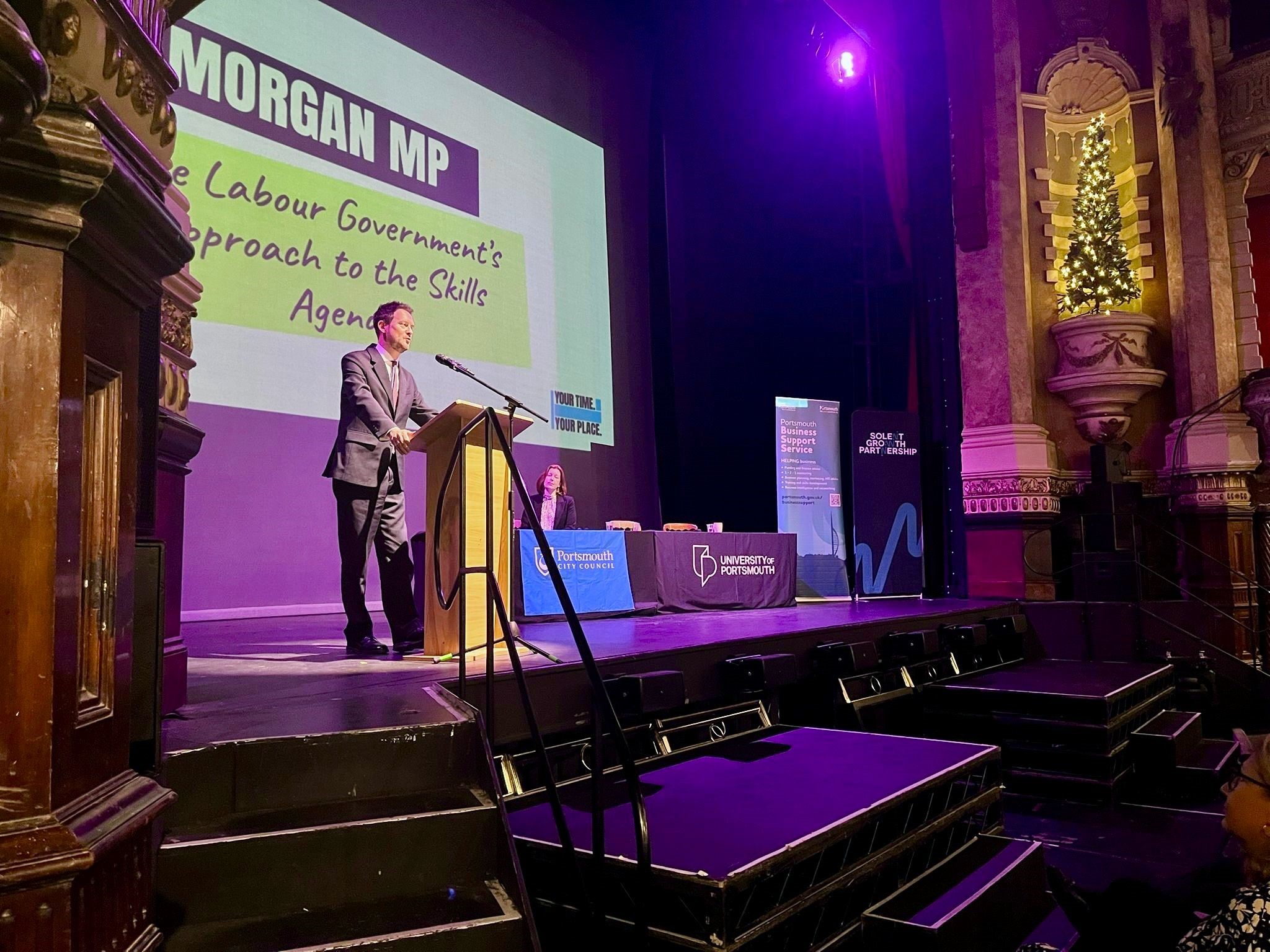
Adults balancing responsibilities such as work and childcare will now have a new route into university and college thanks to radical reforms by the Labour government to create a new, more flexible student finance system – in a move labelled as a ‘game changer’ by Mr Morgan.
From September 2026, for the first time ever people across Portsmouth will be able to access student finance for shorter, flexible, bite-sized courses, known as “modules”, as well as traditional university degrees.
Labour has confirmed the first 130 universities and colleges – including The University of Portsmouth – approved to offer the new smaller courses through the system, which people will be able to apply for this September.
The change is part of the Lifelong Learning Entitlement, as set out in Labour’s Post-16 Education and Skills White Paper last year, with people now able to see the universities and colleges across the country where they will be able to use the new funding system.
Traditionally, higher and further education has been built around full-time degrees and qualifications taken straight after school or college. But that doesn’t work for the many people in Portsmouth who need to fit study around life commitments or want to return to learning later down the line to upskill.
The funding of these new smaller courses mean people can gain qualifications over time, rather than needing to complete a rigid three-year full-time degree in one go, which previously locked thousands of people out of learning.
The modules on offer will focus on subjects that will tackle skills shortages, including economics and computing, engineering and architecture, as well as health and social care.
These plans are central to the Prime Minister’s ambition to ensure two-thirds of young people are in a gold-standard apprenticeship, higher training or university by the age of 25, helping to close skills gaps, cut the number of young people not in education, employment or training, and drive economic growth as part of national renewal.
MP for Portsmouth South Stephen Morgan said:
“The Lifelong Learning Entitlement is a game changer for people in Portsmouth who want to better their prospects through education but still have to juggle busy lives.
“For too long, people haven’t felt like they’ve had the opportunity to pursue the job they want or the skills they need because they think they’ve missed the boat or don’t have the time.
“Labour is backing working people across Portsmouth, giving them the chance to seize opportunities, unlock new skills and drive growth.”
Skills Minister Jacqui Smith said:
“Financial support should be available whether you want to do a degree, take a short course, or retrain later in life. Our changes will make that happen, with the option to access student finance in any stage of life.
“Whether it’s fitting study around a job, retraining for a completely new career, juggling childcare, or getting qualifications later in life, the new Lifelong Learning Entitlement will open up new opportunities for thousands more people to build the careers they want and get on in life.”
Applications for student finance will open in September 2026, for anyone starting courses or the new modules from January 2027.
Under the new system, people will be able to access funding equivalent to four years of post-18 study, currently worth up to £39,160.
This money can be used flexibly across the new modules, shorter courses or full degrees over the course of their working lives.
Eligible students will also be able to apply for maintenance support to help with living costs and funding will be provided in smaller amounts linked to the size of the course being studied, rather than only through full academic years.
People who already have a degree may still be able to access the new funding, either if they have remaining student finance available in their pot or want to retrain in certain priority subject areas.