- New analysis shows children are up to 55% more likely to miss school on their birthday
- ‘Just one day off’ culture is adding up to weeks of lost learning
- Local schools given new tools and practical support to spot patterns, strengthen school culture and keep pupils in the classroom
Stephen Morgan MP is calling on local parents, carers and schools to come together to put an end to a ‘just one day off’ culture that new analysis shows is leading to weeks of lost learning.
The Department for Education has revealed that children are up to 55% more likely to miss school on their birthday – one of a string of habits that new government analysis shows could be quietly costing children valuable opportunities.
Research shows that, although a single day of absence appears insignificant, these missed days can quickly add up over the course of a school year, increasing the risk of pupils becoming persistently absent and falling behind their peers. The impact is also rarely felt by just one child. Catching children up on missed learning can affect the pace of learning for the whole class.
The same analysis found that schools that don’t finish the year on a Friday see absence rates rise by 27% in that final week alone. Taken together, patterns of occasional, often avoidable absence like these are a key part of worse school attendance post-Covid.
By spotting patterns of occasional days lost – whether to one-offs like birthdays broken weeks –and tackling them by stronger relationships with parents and pupils, and reviewing calendars, schools can help raise attendance and improve results.
To turn insights into action, Labour is today giving schools in Portsmouth a new package of attendance support, including a personalised tool based on real-time data showing cohort absence patterns over the year, a practical toolkit and communications guide to help leaders strengthen engagement with families across Portsmouth.
Drawing on successful practice from schools across the country, the resources outline simple initiatives that make children feel recognised and valued. Examples include giving pupils a queue-jump pass at lunch on their birthday and using “Under the Weather” forms, which help parents and schools agree in advance how to support children who may struggle during the school day.
This follows last year’s announcement that St Edmund’s Catholic School was chosen by the Government to become an Attendance and Behaviour Hub as part of a drive to boost pupil attendance post-pandemic
The Attendance and Behaviour Hubs programme is helping schools build the warm, inclusive cultures where strong attendance naturally follows, spreading proven approaches through peer-to-peer support and collaboration. This can be read about in further detail here.
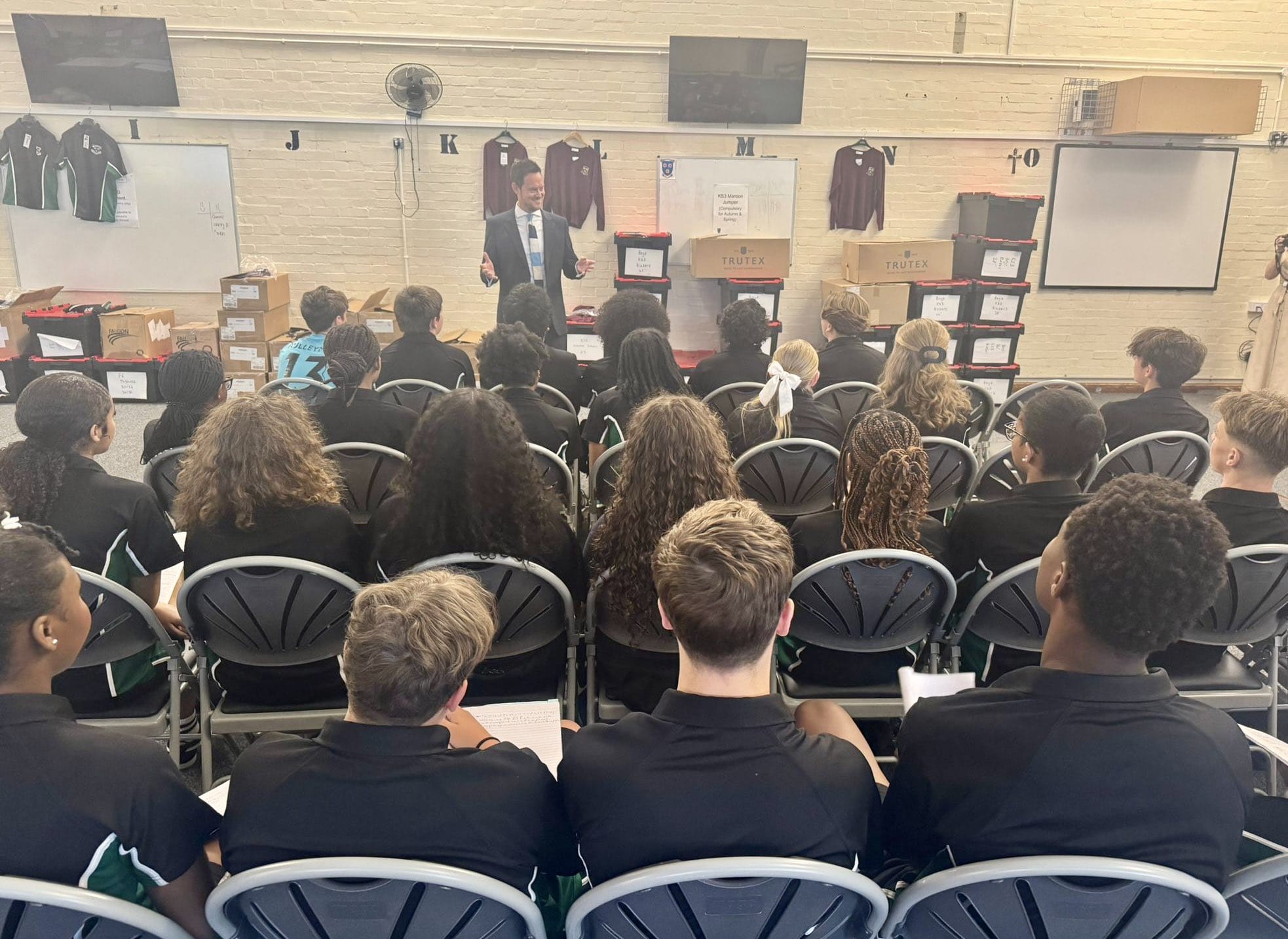
The Portsmouth South MP recently met with local headteachers to understand issues and concerns related to levels of attendance in the city including support available to local families and schools.
Commenting, Stephen Morgan, MP for Portsmouth South, said:
“Parents and carers across Portsmouth want to help their children get on in life, and the best way to help them is to support them with a consistent education. That’s why making sure every child in our city can succeed and thrive is a priority of mine in Parliament.
“I know from my discussions with teachers, school support staff and parents in our city just how hard our community has been working to build back attendance after the pandemic – and the results are bearing fruit.
“We need to come together to keep on making progress, so children in Portsmouth can achieve and thrive.”
Education Secretary, Bridget Phillipson said:
“We’ve seen five million more days in the classroom last year – the biggest improvement in attendance in a decade. That’s real progress, but there is more to do.
“Improving attendance is everyone’s responsibility. That’s why we’re giving schools better tools to identify problems early and work with families to address them, while encouraging parents to play their part in building strong attendance habits.
“By sharing what works and backing our wider reforms to make schools places where children feel they belong, want to be and can achieve and thrive, together we can ensure more children are in the classroom every day.”
These practical tools sit alongside the Labour’s broader mission to make school somewhere children genuinely want to be. The Labour government’s once-in-a-generation education reforms are investing in enriched school experiences, from expanding access to music, sport and the arts, to ensuring every child benefits from high-quality teaching, high expectations and a curriculum that stretches and inspires them.