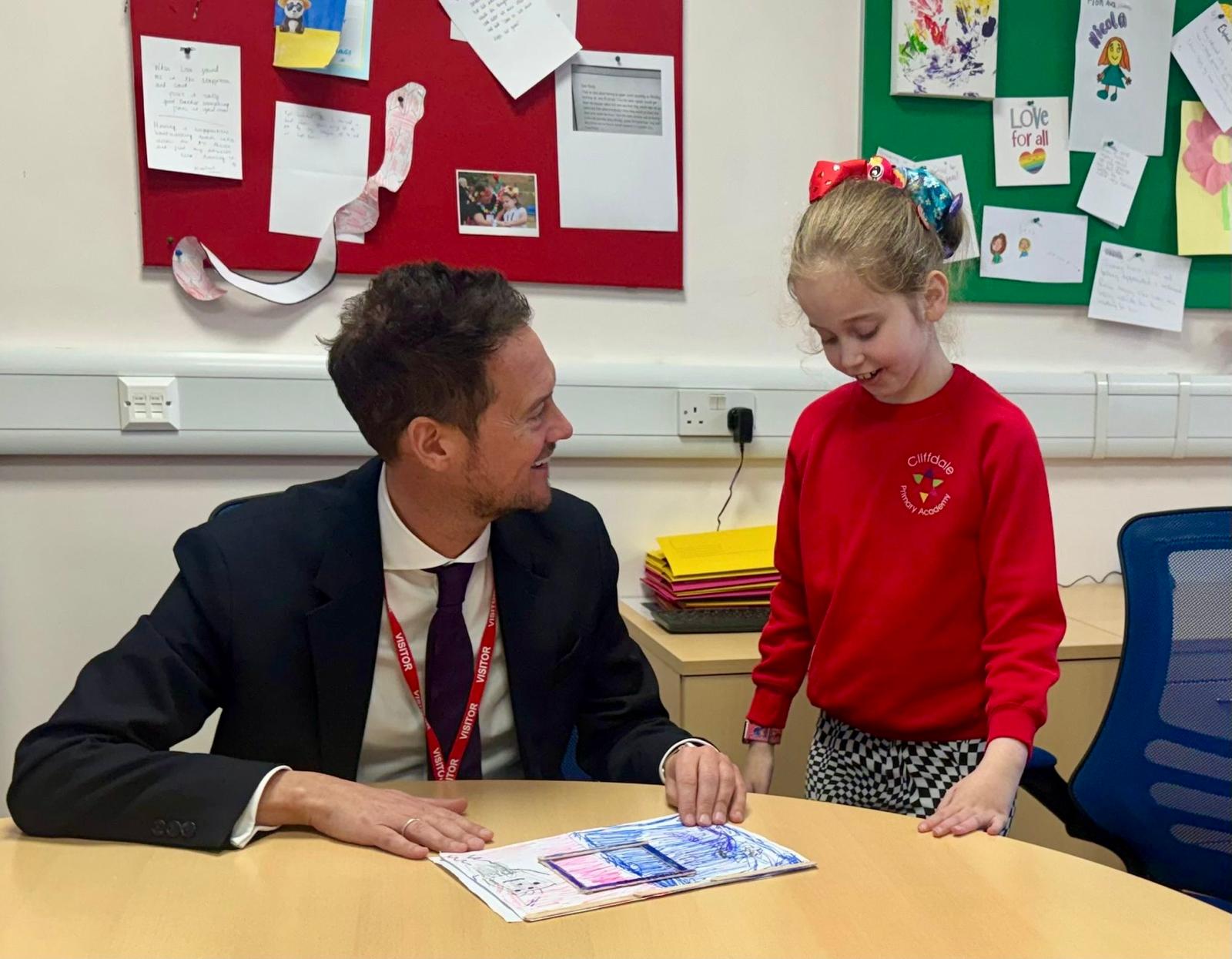
- First of its kind guidance released on creating dedicated teaching and support spaces for children with SEND
- Portsmouth’s schools to be designed around children and young people with SEND
- Guidance to help schools, colleges and early years build SEND inclusivity
Children and young people with SEND in Portsmouth will be able to attend their local school, early years and college and know they belong there, Labour delivers a first of its kind package backed by £1.5 million to guarantee inclusion for all.
The investment comes as part of Labour’s Inclusive Mainstream Fund, with over £500 million allocated this year to support settings to invest in high-quality adaptive teaching, inclusive whole school approaches and evidence-based support for children with SEND.
For years Portsmouth’s families have faced a postcode lottery that has left children fighting for the right support, travelling miles to access it or waiting months or years to receive it.
Labour is taking an important step to end this lottery through clear expectations on how Portsmouth’s settings can design their SEND provision so children and young people can thrive.
For the first time, new guidance sets out what Portsmouth’s families can expect to see on the ground, building on the commitment that every secondary school will have an inclusion base – a dedicated space providing targeted teaching and specialist support those who need it.
Portsmouth’s inclusion bases will be run by a qualified teacher, never used as a sanction, and allow access to an adapted, broad, ambitious curriculum to meet the needs of every child, serving as a bridge to school life rather than a barrier to it.
That means more time for children in mainstream classes alongside their friends and will put a stop to inconsistent and patchy provision where children feel excluded from the wider school –being left out of lessons, trips or activities.
The bases go hand in hand with a Labour overhaul on physical spaces including classrooms, with landmark guidance for schools, early years and post-16, setting out a roadmap for how settings can adapt buildings that are shaped around the real experience of a child or young person with SEND. Whether that’s starting their day through an alternative entrance or taking time out in a calmer space, every child will be able to navigate the day with confidence.
Commenting, Stephen Morgan, MP for Portsmouth South, said:
“This clear guidance, backed by significant investment, is really welcome. It will make clear to parents what they can expect for their child, while providing schools with the funding to deliver.
“With better training for teachers, more specialist places in mainstream schools and clear expectations for inclusivity, we will be able to give children across Portsmouth a brilliant school experience, close to home, without a fight.
“Labour is building inclusive schools where every child can achieve and thrive.”
Education Secretary Bridget Phillipson said:
“Every child and young person deserves to feel included, without fighting for the support they need to succeed.
“We are giving schools a clear, practical blueprint to become truly inclusive, from calmer classrooms and sensory-friendly spaces, to specialist support embedded right in the heart of the school, so children can learn alongside their peers rather than miles from home.
“Every child deserves to attend a school where they belong, where the environment works for them, and where the right support is simply part of the school day. That’s what we’re building.”
The results where high-quality inclusion bases already exist are striking. Eight in ten parents (80%) who want their child to attend a base report a positive experience, and nationwide they are delivering strong outcomes.
To make sure the sites across Portsmouth meets the needs of all children, the Inclusive Estates guidance suggests tools for understanding the daily experience of a child or young person with SEND, such as structured walkthroughs or “Day in the Life” approaches to identify challenges in navigating the physical space.
It will include tangible improvements including adapting acoustics and light, introducing quiet and calm spaces like sensory gardens or installing ramps or handrails.