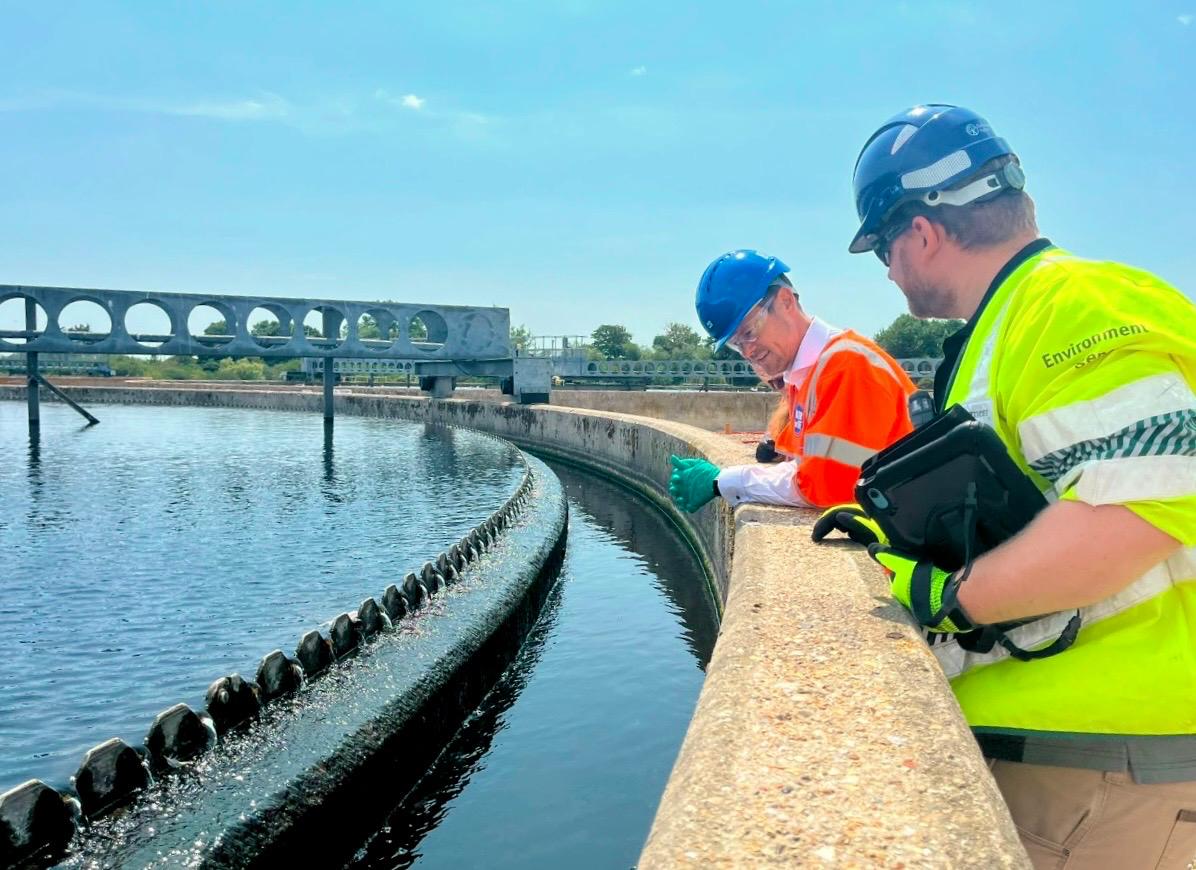
Portsmouth is set to receive a greater say over decisions on sewage, flooding, drought and securing future water supplies under plans to put more power in local hands.
The Prime Minister has announced that eight new regional water councils will be established with the purpose of setting priorities for their respective regions.
Each Council is set to bring together 10 to 15 individuals from across their region, including mayors, farmers, developers, and customers, to shape investment into water and flood infrastructure.
Portsmouth will be included within the jurisdiction of the South East regional water council area, with local representatives eligible for appointment to this authority once established.
Currently, decisions about the water system are taken nationally, despite communities facing very different challenges.
The new councils will change that, giving communities and local leaders a stronger voice over priorities including sewage and water quality, flooding, drought and future water supplies.
Additionally, Portsmouth’s Lord Mayor is set to receive new powers through the strengthened Water Bill to hold water companies to account for their performance.
These reforms are part of the Prime Minister’s drive to move power out of Westminster and give communities greater control over the services and investment that shape their lives.
Commenting, Stephen Morgan, MP for Portsmouth South, said:
“These reforms will give Portsmouth a real say over the decisions that affect our water bills, rivers and communities.
“For too long, Southern Water has not prioritised the people that they are supposed to serve across our city. I share local frustration over the sewage and pollution in our waters and understand that Portsmouth is desperate for change on this issue.
“That is why I will continue to support this Government as they take action to empower communities to shape the future of our system and hold water companies to account.”
Environment Secretary, Dame Angela Eagle, said:
“For decades, the water industry has failed to work for the people and places it was meant to serve.
I am determined to put the public at the heart of decision-making – shaping what their bills will be spent on, so they can see real differences happening in their communities.
I share the country’s desire to see change now, and that’s why we are creating a radical new water system that will put public interest first.”
Local leaders have been asked to submit proposals on how they want to run the new bodies by the end of the year.
Each council will then draw up a plan setting out the biggest pressures on its region’s water system, the choices that need to be made and the public and private investment that can help address them.
Further details on the Government’s approach to the water industry will be set out in the 10-Year Plan for Britain, to be published later this year.