- Drivers in Portsmouth to get new rights to challenge unfair private parking charges, alongside crack down on car dealers winding back mileages
- Guaranteed 5 minutes to decide whether to park and 10 minutes to leave without facing a penalty, and cancellation of charges for issues drivers can’t control – like vehicle breakdowns in car parks
- Marks latest step forward in the PM’s series of everyday fixes, tackling the daily frustrations that make life harder and giving people room to breathe
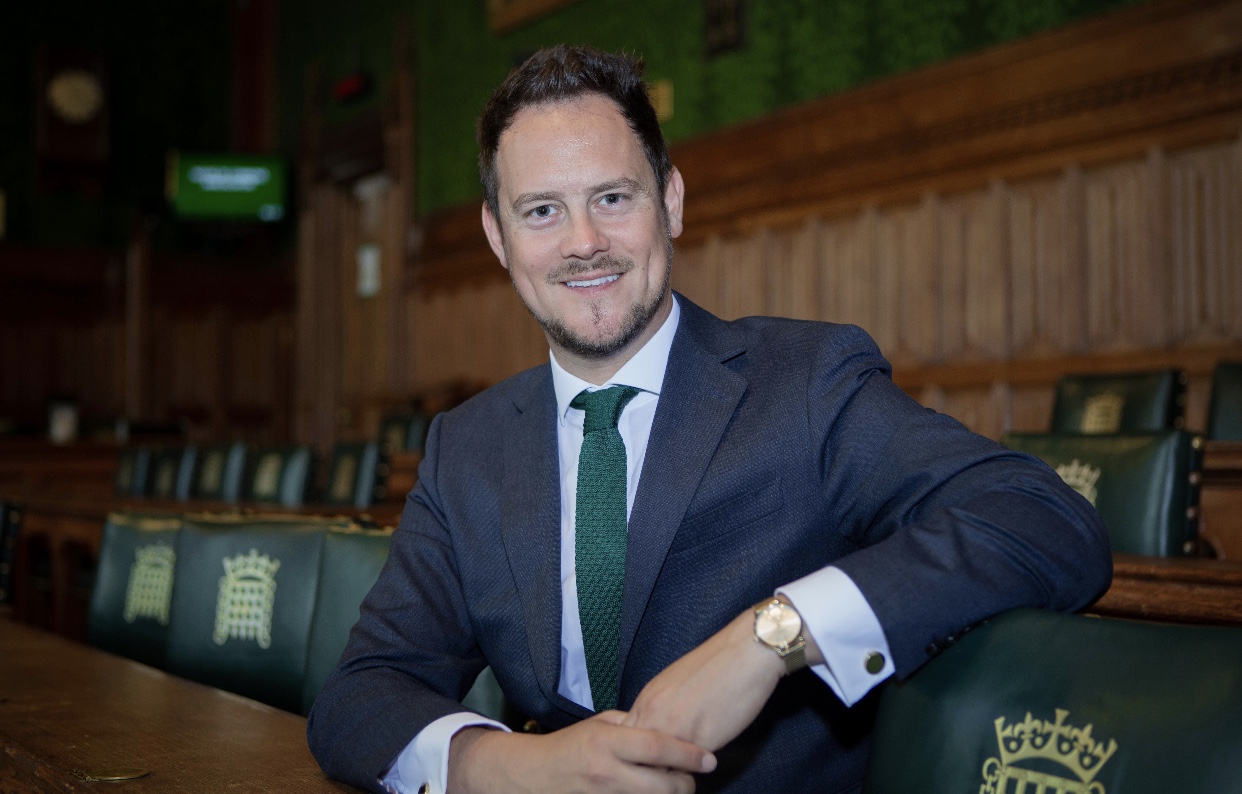
Stephen Morgan MP has welcomed news that drivers in Portsmouth will get new rights to challenge unfair private parking charges under new rules announced by the Government.
Changes include a guaranteed 5 minutes to decide whether to park and 10 minutes to leave once their session ends, and the right to have charges cancelled on appeal for issues they can’t control.
Under the new Private Parking Code of Practice laid in Parliament on 20 October, charges will be scrapped on appeal for honest mistakes, like stopping briefly to check directions, and for situations like a medical emergency, breakdown or broken ticket machine.
For smaller slip-ups, like forgetting a parking permit, entering the wrong vehicle’s registration or forgetting to confirm it in the machine when parking, drivers will face a maximum charge of £20 on appeal.
The Code also freezes the maximum parking charge at £100. Operators who don’t comply risk losing access to DVLA data, meaning that even if they issue a charge, it will be far more difficult to identify the registered owner to pursue payment.
In addition, unscrupulous second-hand car dealers who wind back odometers to disguise a vehicle’s true mileage will also face tougher action. Known as car clocking, fraudulently selling a clocked car is already illegal, but adding it to the official list of banned practices will make it easier for enforcers to crack down, protecting buyers and backing honest businesses.
These changes are the latest measures in the Prime Minister’s series of everyday fixes, tackling the frustrations that cost people time and money to give families more room to breathe. The action follows moves to stop unfair airline charges, tackle subscription traps, rogue traders, and rip-off school uniform costs – all championed by Mr Morgan.
Commenting, Stephen Morgan, MP for Portsmouth South, said:
“Changes announced by this Government will mean that Portsmouth’s drivers get a fairer deal, protected time to park and leave without fear of being unfairly charged, and confidence that private parking providers are held to a higher standard.
“Parking should be straightforward, not another everyday hassle that it has become. I have engaged with many constituents who have experienced logistical and financial difficulties as a result of parking regulations.
“This is yet another step forward in this Government’s plan to take the stress out of everyday life and ease the pressure on people’s pockets.”
Prime Minister Andy Burnham said:
“Being a few minutes late back to your car or typing one digit of your numberplate wrong shouldn’t end with a hefty fine landing on your doormat.
“These charges leave people feeling ripped off and out of pocket, so I’m putting a stop to them.
“We are introducing clearer rules, longer grace periods and lower charges for genuine mistakes, while going after the deliberate scams that rip drivers off.”
The Government has also promised today to go further still, by consulting as soon as possible next year on private parking debt recovery fees, including on whether to cut an existing £70 cap or scrap the fees altogether.
Data shows just under 17 million private parking charges were issued in the UK last year. In 2025, the government set out proposals to improve standards by consulting on a new Private Parking Code of Practice. This response sets out the measures being brought in to protect motorists. Parliament will now have time to scrutinise the new Code, before ministers press ahead to bring it into force as soon as possible.
This Code brings in, for the first time, a fully independent Scrutiny and Oversight Board, and requires operators to share more information with government, giving drivers stronger protections than ever before.
Since taking office, the Government has also launched a review of airport drop-off charges, cut VAT on electricity bills this winter, frozen fuel duty and rail fares, and raised the Minimum Wage, as it continues to take action to ease the cost of living.