- Government confirms allocation of new dental school places
- Part of first sustained expansion in nearly 20 years
- Expansion targeted at areas where patients have struggled to access NHS dental care
- University of Portsmouth to be allocated half of new dental training places
Stephen Morgan MP has welcomed the Government’s announcement that the University of Portsmouth’s new dental school has secured half of the national additional training places allocated as part of the first sustained expansion of dental school places in nearly two decades.
This expansion is backed by £11 million in Government funding and will see additional dentists being trained across England from 2027 onwards. The Office for Students was asked to allocate new training places, prioritising areas that do not currently train dentists, including coastal communities like Portsmouth where accessing an NHS dental appointment has long been reported to be difficult.
The University of Portsmouth was chosen to be one of two institutions to deliver this expansion and will be allocated half of all new training places, bringing dental training to one of the cities that needs it most and helping to ensure that NHS dentists available to Portsmouth reflect the community they will serve.
Allocated dental places are part of the Government’s drive to train more home-grown dentists and boost the workforce in regions where there are currently too few and patients are left in pain for months on end. The allocation of these places will mean that all NHS England regions will now have a dental school.
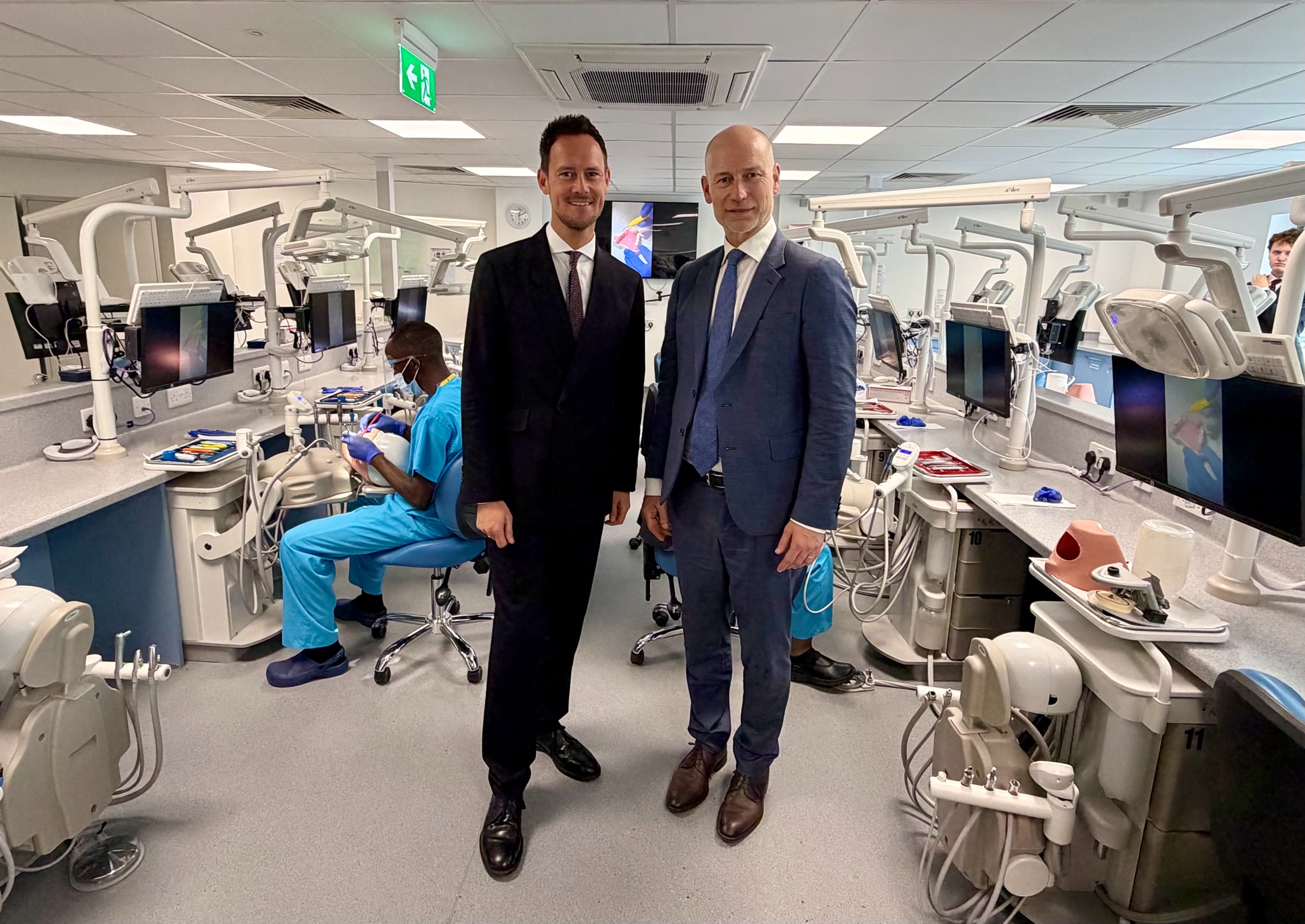
This announcement follows the city MP’s visit to the University of Portsmouth with Health Minister Stephen Kinnock MP ahead of the dental school’s official launch to discuss the difference that local dentist training will make to local people.
Mr Morgan has been a tireless campaigner on improving access to NHS Dentistry, including securing additional urgent appointments in Portsmouth, resulting in 23,000 extra appointments for local people over the course of a year, and working with the University of Portsmouth to secure Dental Authority Status.
Examples of this can be read about in further detail here, here and here.
Commenting, Stephen Morgan, MP for Portsmouth South, said:
“Under the last government, NHS dentistry had been left broken after years of neglect, with patients left in pain without appointments, or queueing around the block just to be seen.
“Under Labour, and thanks to my campaigning – this is changing. This Government is rebuilding dentistry – focusing on prevention, retention of NHS dentists and reforming the NHS contract to make NHS work more appealing to dentists and increase capacity for more patients.
“This will take time, but today marks an important step towards getting NHS dentistry back on its feet and helping to end the dental desert that Portsmouth became.
“As Member of Parliament, I am committed to making sure we have a local NHS fit for the future.
“Today’s news that the University of Portsmouth has been allocated half of the national additional training places for dentists – the first sustained expansion of dental school places in nearly two decades – is fantastic news for Portsmouth and for our city’s patients”.
Announcing the allocation, Health Minister Stephen Kinnock said:
“No one in the 21st century should struggle to access basic dental care or, even worse, be forced to take matters into their own hands.
“By bringing dental school places the University of Portsmouth for the first time, trainee dentists will put down roots in parts of the country that have for too long been left behind.
“These new places will help train NHS-ready dentists in the communities that need them most, meaning patients can get the care they need faster and closer to home.”
The new places are part of a wider package of measures to rebuild NHS dentistry. The Government has also invested in significantly expanding the number of places on professional registration exams for overseas-trained dentists, with up to 2,400 more dentists expected to be able to join the register annually by 2028 to 2029.
The Government is also reforming the NHS dental contract itself, to reward dentists more fairly, prioritise the highest-need patients, and strengthen preventive healthcare.
Recent reforms to the contract will create new long-term treatment pathways for patients with significant dental decay or gum disease with improved payments for dentists, alongside requiring practices to deliver a set amount of urgent care and pay dentists more fairly for this work.
Through the 10-Year Health Plan, the government is investing in prevention, improving access to dental care, and making it fairer for clinicians and patients.